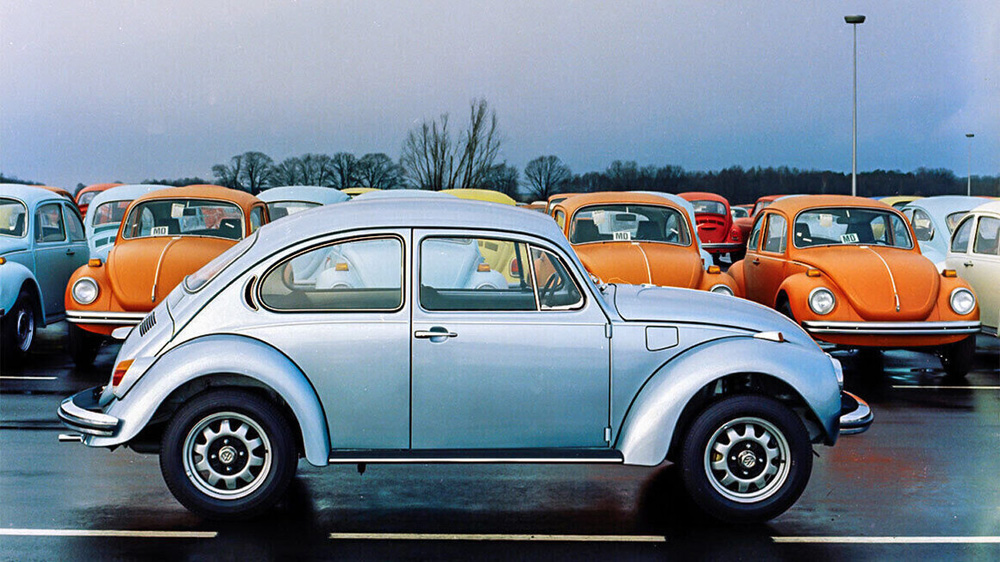
Decoding the Super Beetle: A Guide to the 1302 and 1303 Variants
The Volkswagen Beetle, an automotive icon born in the 1930s, evolved through
decades of refinement, but its late-1970s "Super Beetle" phase
marked a pivotal shift toward modernity. Introduced amid tightening safety
regulations and competitive pressures, the Super Beetle lineup-primarily
the 1302 (1971-1972) and 1303 (1973-1975) models-featured innovative MacPherson
strut front suspension, a redesigned front end for better trunk space, and
enhanced handling. These models were badged differently in Europe (with
suffixes like L, S, LS, and A denoting trim and power levels) compared to
the simpler "Super Beetle" moniker used in Canada, the U.S. and
elsewhere.

While all Super Beetles shared core upgrades like independent rear suspension
(IRS) with semi-trailing arms and dual-port engines, the variants differed
in engine size, braking, luxury features, and subtle body details. This
article breaks down the key differences among the 1302 L, 1302 S, 1302 LS,
1303 A, 1303 L, 1303 S, and 1303 LS, drawing from historical production
data and enthusiast insights. Whether you're a collector eyeing a restoration
project or a curious enthusiast, understanding these distinctions reveals
why the Super Beetle remains a beloved bridge between classic charm and
forward-thinking engineering.

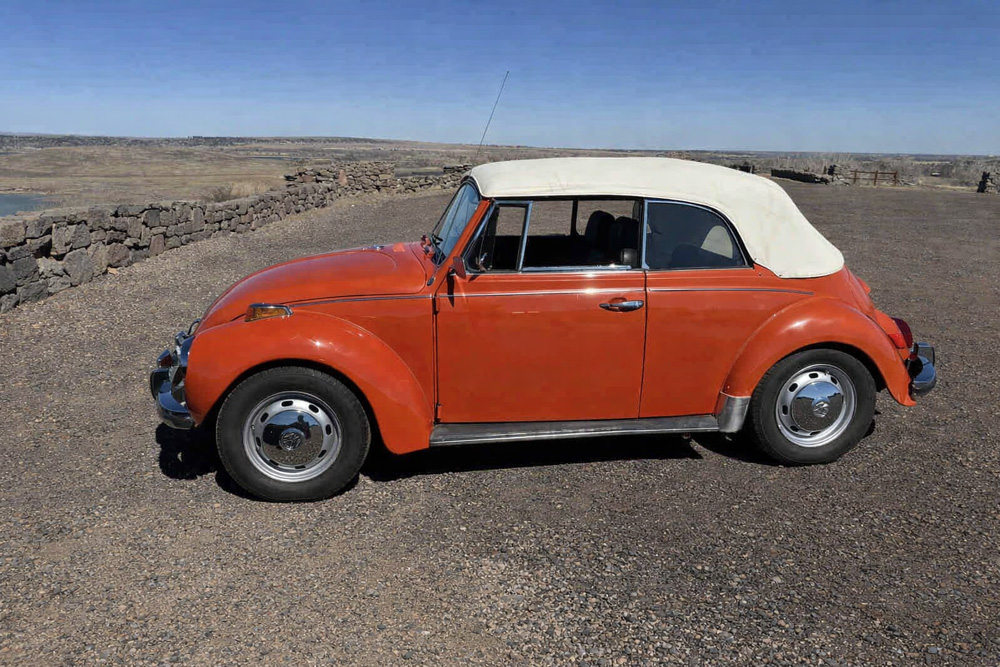
The 1302 Series: The Original Super Beetle (1971-1972) - Launched in August
1970 as the VW 1302, this series introduced the Super Beetle's signature
bulged front hood to accommodate the MacPherson struts, freeing up trunk
space and allowing the spare tire to lie flat. It retained the classic flat
windshield and smaller rear taillights of earlier Beetles, giving it a more
traditional silhouette. European models used numeric badging to indicate
engine displacement and trim: base (1302), sporty (S), and deluxe (L or
LS). All featured a 4-speed manual transmission and air-cooled rear engines,
but power and perks varied.

1302 L: The "L" stood for Luxus (luxury), positioning this as
a mid-tier trim with comfort in mind rather than outright performance. It
used the 1,285 cc (Type 111) dual-port engine, producing 44 hp at 4,200
rpm and 69 lb-ft of torque-adequate for urban cruising but unremarkable
by modern standards. Brakes were drums all around, prioritizing simplicity
and cost over sportiness. Luxury touches included reclining front seats,
a two-spoke steering wheel, chrome trim accents, and optional metallic paint
from a broader palette (up to seven colors, including metallics, versus
four for base models). The dashboard was basic but padded for safety, and
the interior boasted better soundproofing. Trunk volume expanded to about
10.6 cubic feet, a boon for practicality. This variant appealed to families
seeking refinement without excess.

1302 S: The "S" denoted Schnell (fast) or sport, emphasizing
performance in a compact package. Powered by the larger 1,584 cc (Type 112)
dual-port engine, it delivered 50 hp at 4,200 rpm and 81 lb-ft of torque,
enabling a top speed of around 93 mph and 0-60 mph in about 16 seconds-peppy
for a Beetle. Front disc brakes were standard, improving stopping power
significantly over drum setups, while the suspension tuned for sharper handling
with a slight drop in ride height. Exterior cues included sport wheels (often
the distinctive "GT" alloys), a single-carburetor setup for efficiency,
and the same flat windshield as the base model. Interiors were functional
with cloth seats and minimal frills, focusing on driver engagement. The
1302 S was VW's nod to enthusiasts, blending Beetle whimsy with subtle athleticism.

1302 LS: Combining the best of both worlds, the 1302 LS merged the S's
powertrain with L's upscale appointments. It retained the 1,584 cc engine
and front discs for spirited driving, but added luxury like padded door
panels, better carpeting, a clock, and ashtrays in the rear. Some markets
offered fog lights and a radio as standard. This top-trim variant was rarer,
aimed at buyers wanting a "loaded" Super Beetle without venturing
into aftermarket mods. Its rack-and-pinion steering precursor (worm-and-roller
in most) provided precise feedback, making it the most versatile 1302 for
daily use.

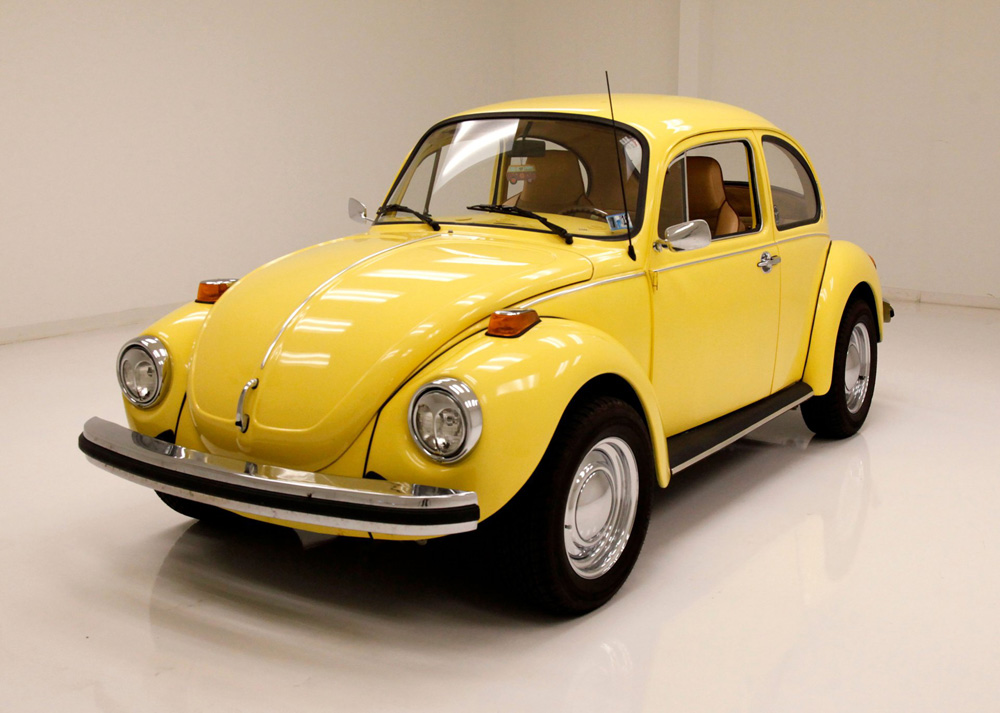
The 1303 Series: Refined Evolution (1973-1975): By 1973, VW refined the
formula with the 1303, shortening the hood slightly for better weight distribution
and introducing a curved, wraparound windshield for improved visibility
and aerodynamics. Larger "elephant foot" taillights enhanced safety,
and a deeper, fully padded plastic dashboard met emerging crash standards.
The front trunk grew marginally to 11.3 cubic feet, and all models adopted
the IRS rear end. Rack-and-pinion steering arrived in 1975 for even tighter
handling. Like the 1302, European trims used suffixes, but the "A"
variant added a budget option. Production tapered off as fuel crises and
emissions rules loomed, ending sedan sales in 1975 (convertibles lingered
until 1979).

1303 A: The "A" (for Ausstattung, or basic equipment) was the
entry-level "spartan" model, never badged as such on the car but
referenced in literature. It mirrored the base 1303 with the 1,285 cc engine
(44 hp), drum brakes, and minimal features: vinyl seats, a single-spoke
wheel, and no extras like chrome or a clock. This economy trim targeted
fleet buyers or cost-conscious Europeans, stripping away luxuries to hit
rock-bottom pricing. It shared the curved windshield and padded dash but
skipped metallic paints, sticking to four solid colors. Handling was competent
thanks to the struts, but it felt the least "super" of the lineup-reliable
transport over thrill.

1303 L: Building on the A, the 1303 L restored luxury without the S's sport
focus. It used the same 1,285 cc mill but added reclining seats, chrome
accents, and optional two-tone paint. Brakes remained drums, emphasizing
comfort over aggression. The padded dash included glovebox illumination,
and interiors featured wool-blend fabrics for a warmer feel. This variant
shone in long-haul comfort, with the curved glass reducing blind spots-a
practical upgrade for highway drivers. It was the bestseller among 1303s,
balancing affordability and polish.

1303 S: The sporty counterpart to the L, the 1303 S packed the 1,584 cc
engine (50 hp) and front disc brakes, inheriting the 1302 S's pep. Top speed
nudged 95 mph, with quicker acceleration aided by the lighter curb weight
(around 1,800 lbs). It boasted alloy wheels, stiffer springs for cornering
prowess, and a sport exhaust note. Safety features like the padded dash
were standard, but the focus was fun: quicker steering ratio and optional
close-ratio gearbox. Fewer were produced, making it a collector's gem today,
especially in metallic hues.

1303 LS: The pinnacle of the 1303 lineup, the LS fused S performance with
L opulence. The 1,584 cc powerplant and discs handled dynamically, while
luxuries like heated rear glass, power outlets, and full instrumentation
elevated daily drives. It often included fog lamps and a premium radio,
with seven color options. By 1975, rack-and-pinion steering made it the
nimblest Beetle yet. This variant epitomized VW's late-era ambition: a safe,
stylish cruiser with hidden sportiness.

Legacy and Collectibility: The Super Beetle's variants bridged the Beetle's
quirky origins with 1970s pragmatism, selling over 1.5 million units before
U.S. discontinuation in 1975. Today, 1302 models fetch premiums for their
purer aesthetics (flat glass appeals to purists), while 1303s are praised
for drivability. Values range from $2,000 for rough 1303 As to $8,000+ for
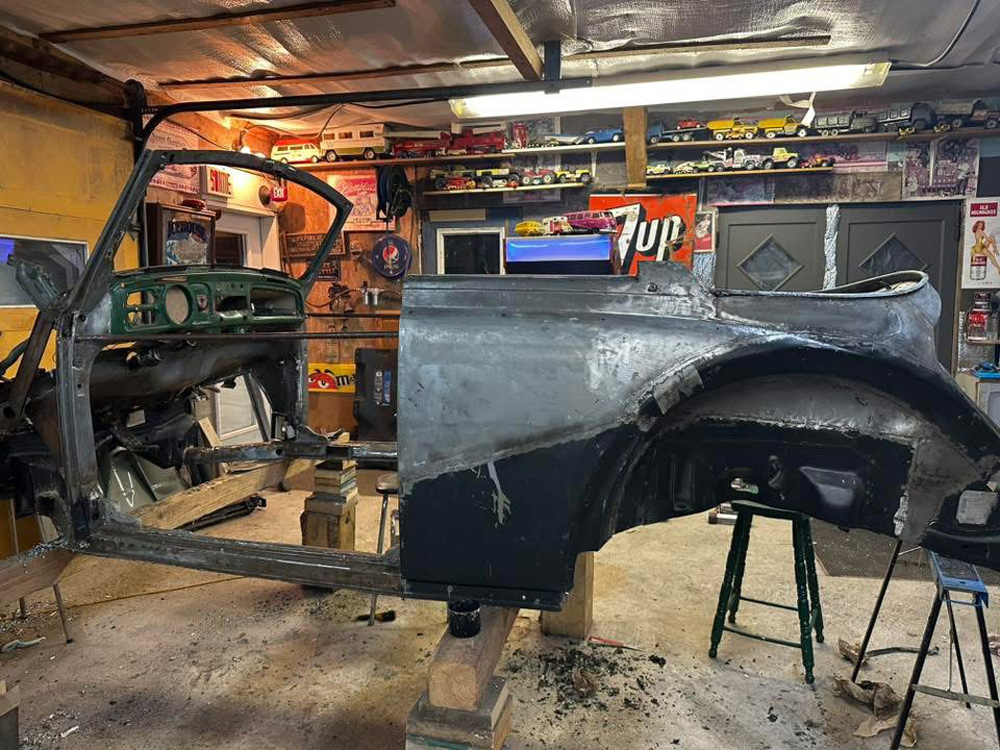
pristine 1302 LSs. Common issues like rust in the front fenders or strut
towers underscore the need for inspections, but parts abundance keeps them
accessible. In an era of muscle cars and efficiency wars, these Beetles
proved small can still sparkle. Whether chasing the S's zip or the LS's
poise, each variant captures VW's enduring ethos: joy in simplicity.
Why Volkswagen Built the Super Beetle: Evolution of an Icon
By the late 1960s, the Volkswagen Beetle had become one of the most successful
cars in automotive history. Its charm, reliability, and affordability made
it a global icon, but the competition was catching up fast. Compact cars
from Japan, America, and Europe were offering more space, better handling,
and modern comforts. The Beetle, brilliant as it was, was starting to show
its age.

Volkswagen
knew they couldn't simply scrap the Beetle, it was their foundation and
still selling well. But they also couldn't ignore the growing demand for
more comfort, luggage space, and improved driving dynamics. The answer came
in 1971 with the Super Beetle (Type 1 1302), a carefully engineered evolution
designed to bring the Beetle into the new decade without losing its soul.

One
of the Beetle's biggest limitations had always been its front luggage area.
With the fuel tank, spare tire, and front suspension taking up most of the
space, storage was minimal. By introducing a MacPherson strut front suspension,
Volkswagen freed up valuable room in the nose, nearly doubling the luggage
capacity. This was a major selling point for families and travelers who
wanted practicality without giving up the Beetle's charm.

The
new front suspension didn't just make room for luggage, it also transformed
the way the Beetle handled. The Super Beetle offered a noticeably smoother
and more stable ride, especially at highway speeds. Volkswagen wanted to
appeal to buyers who were moving away from the simplicity of the 1950s Beetle
toward the comfort expected in 1970s small cars.

Volkswagen
faced a delicate balance: modernize the Beetle enough to keep it competitive,
but not so much that it lost its identity. The Super Beetle shared its basic
shape, engine, and character with the standard Beetle, ensuring it remained
instantly recognizable. Yet under the skin, it was a significant step forward.
The 1302 and later 1303 (1973-1979) introduced improvements like a curved
windshield, energy-absorbing dashboard, and better heating and ventilation,
features buyers increasingly expected in the modern era.

By
the early 1970s, Volkswagen was also developing the front-wheel-drive Golf
(Rabbit in North America), which would eventually take over as the brand's
main model. The Super Beetle was a way to keep the Beetle line fresh and
profitable while that transition was underway. It bridged the gap between
the old air-cooled tradition and Volkswagen's water-cooled future.

The
Super Beetle's run from 1971 to 1979 gave the classic Beetle a new lease
on life. It became known for its smoother ride, better comfort, and improved
practicality, all while keeping the unmistakable Beetle personality intact.
In hindsight, it was a smart evolution that allowed Volkswagen to keep its
beloved icon on the road through one more decade of changing automotive
tastes.

The
Super Beetle wasn't about replacing the Beetle, it was about refining it.
It represented Volkswagen's effort to evolve with the times without abandoning
the timeless formula that made the Beetle so loved in the first place.
The La Grande Bug: A Super Beetle With Flair
In the mid-1970s, Volkswagen was eager to keep the Beetle fresh and appealing
to buyers in North America. While the car's basic design had remained largely
unchanged for decades, VW introduced a series of special edition models
to capture attention and give enthusiasts something unique. One of the rarest
and most eye-catching of these was the La Grande Bug, produced for the 1975
model year.

What
Made the LaGrande Bug Special: The 1975 LaGrande Bug was based on the
1303 Super Beetle (known in North America simply as the Super Beetle), with
its curved windshield, improved suspension, and more spacious interior.
What set it apart was a combination of trim and style upgrades that gave
the car an upscale, almost sporty feel.

Unique
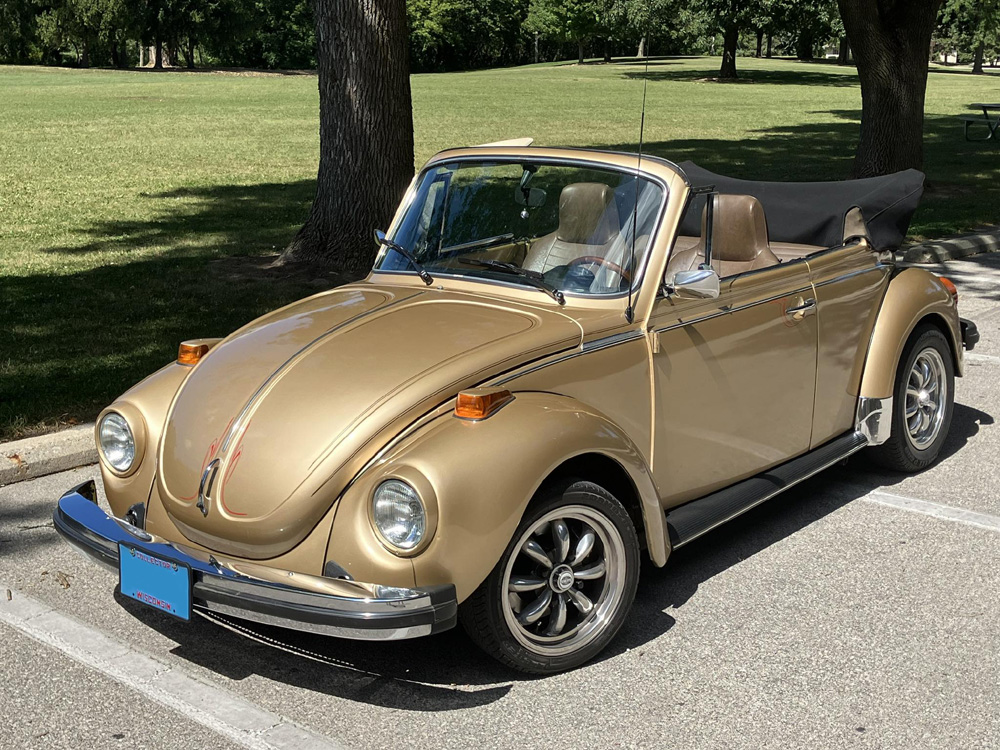
Colors: The La Grande Bug was available in three exclusive metallic
finishes: Viper Green Metallic, Anacona Blue Metallic and Harvest Gold Metallic
(added in the second run of La Grande Bugs). These colors stood out sharply
from the standard Beetle palette of the era. Padded Sport Steering Wheel:
A four-spoke padded wheel gave the driver a sportier connection to the car.
Special Striped Corduroy Seats: Inside, the La Grande Bug featured
cloth inserts with a corduroy-like stripe pattern, a rare departure from
the standard vinyl upholstery. Also included were inertia reel seat belts,
wood veneer dashboard trim and a special gearshift knob.

Color-Matched
Carpet: Coordinating interior carpeting gave the car a more refined,
upscale appearance. Custom Badging: Some had a small metal plaque
reading "La Grande Bug" was mounted on the glovebox lid (some
on a KAMEI tunnel console), reminding owners they had something a little
more special than a Standard Super Beetle. Deluxe Trim Package: Details
like alu-silver accents and upgraded Lemmerz GT sports wheels
rounded out the look.

Position
in VW History: The La Grande Bug was part of Volkswagen of America's
marketing push in the 1970s to release "special editions" that
would boost Beetle sales and keep the car relevant against modern competition.
Other special models included the Sun Bug, Love Bug, and the GSR (Gelb Schwarzer
Renner) to name but a few. While the La Grande Bug never sold in huge numbers
(a total of only 13,273 La Grande Bugs were produced) and is less well-known
today, it holds a special place among collectors because of its distinctive
colors and rare upholstery options. Finding one with its original interior
and glovebox badge intact is particularly difficult-and valuable to the
right enthusiast.

Why
It Matters Today: Today, the La Grande Bug is celebrated as one of the
more elegant and refined of Volkswagen's special edition Beetles. For collectors
and restorers, it represents a snapshot of the 1970s - when VW was combining
practicality with style to extend the Beetle's legendary run. Its rarity,
combined with those unforgettable metallic colors and unique interior trim,
make it a standout in any vintage VW lineup.
Super Beetle Buyer's Guide: Tips for Finding the Right One
The Volkswagen Super Beetle, produced from 1971 to 1979, has earned a devoted
following among classic car enthusiasts. With its improved suspension, larger
trunk space, and distinctive curved windshield on later models, the Super
Beetle offers a slightly more refined driving experience than the Standard
Beetle-without losing that unmistakable VW charm. If you're in the market
for one of these classics, knowing what to look for before handing over
your cash can save you from costly headaches later. Here's a comprehensive
guide to help you make an informed purchase.

1302 or 1303 Super Beetle? - The Choice is Yours: The main difference
between the 1302 (71-72) and the 1303 (73-79) Super Beetle is in the front
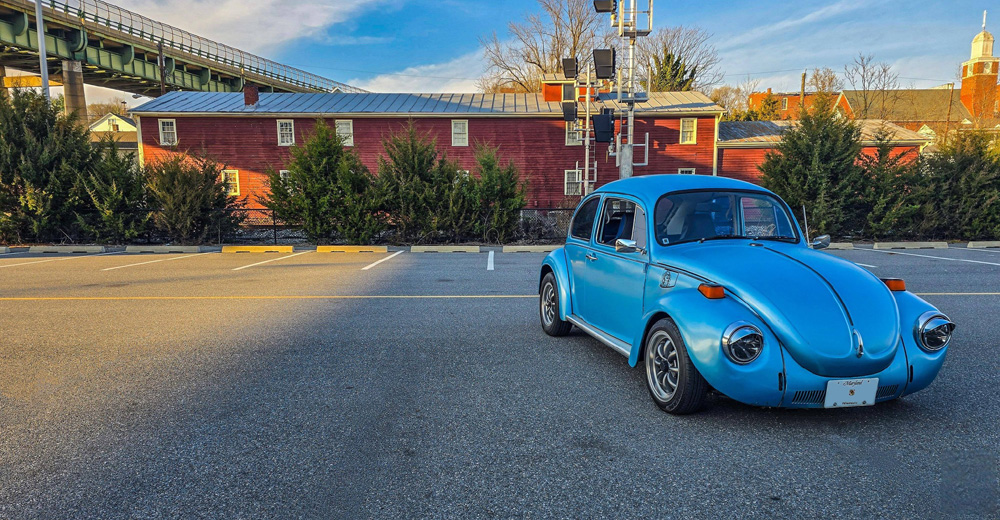
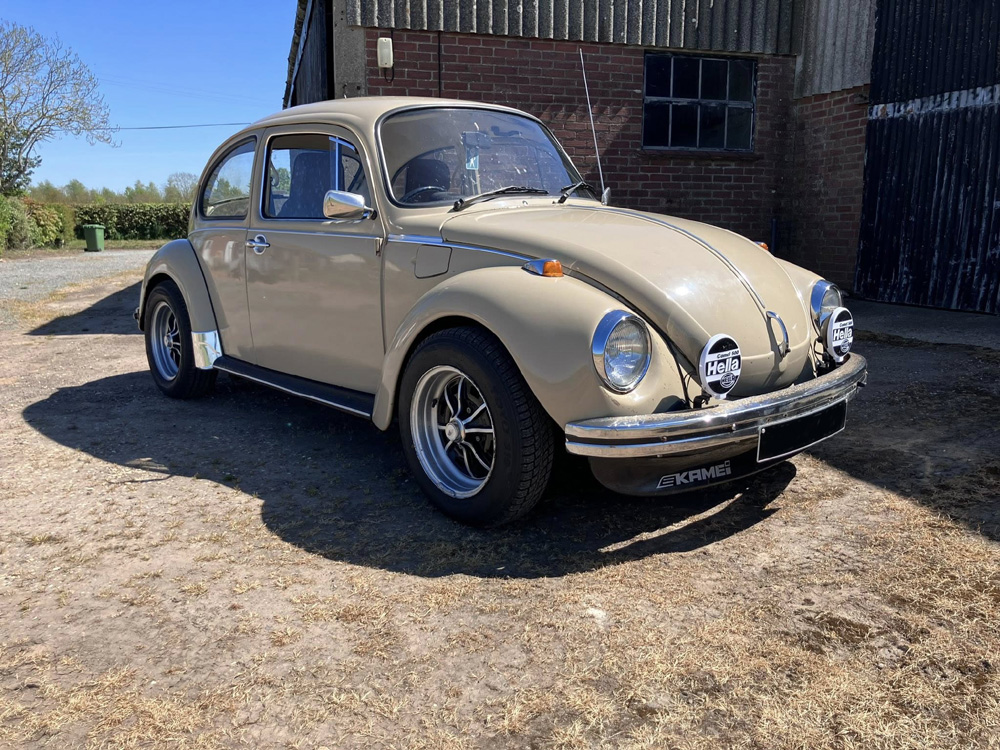
windshield and front design. The 1302 has a flat front windshield with a
more traditional dash, while the 1303 introduced a curved windshield, larger
padded dashboard, larger taillights and a slightly more rounded nose. Essentially
the 1302 looks more classic, while the 1303 feels more modernized.
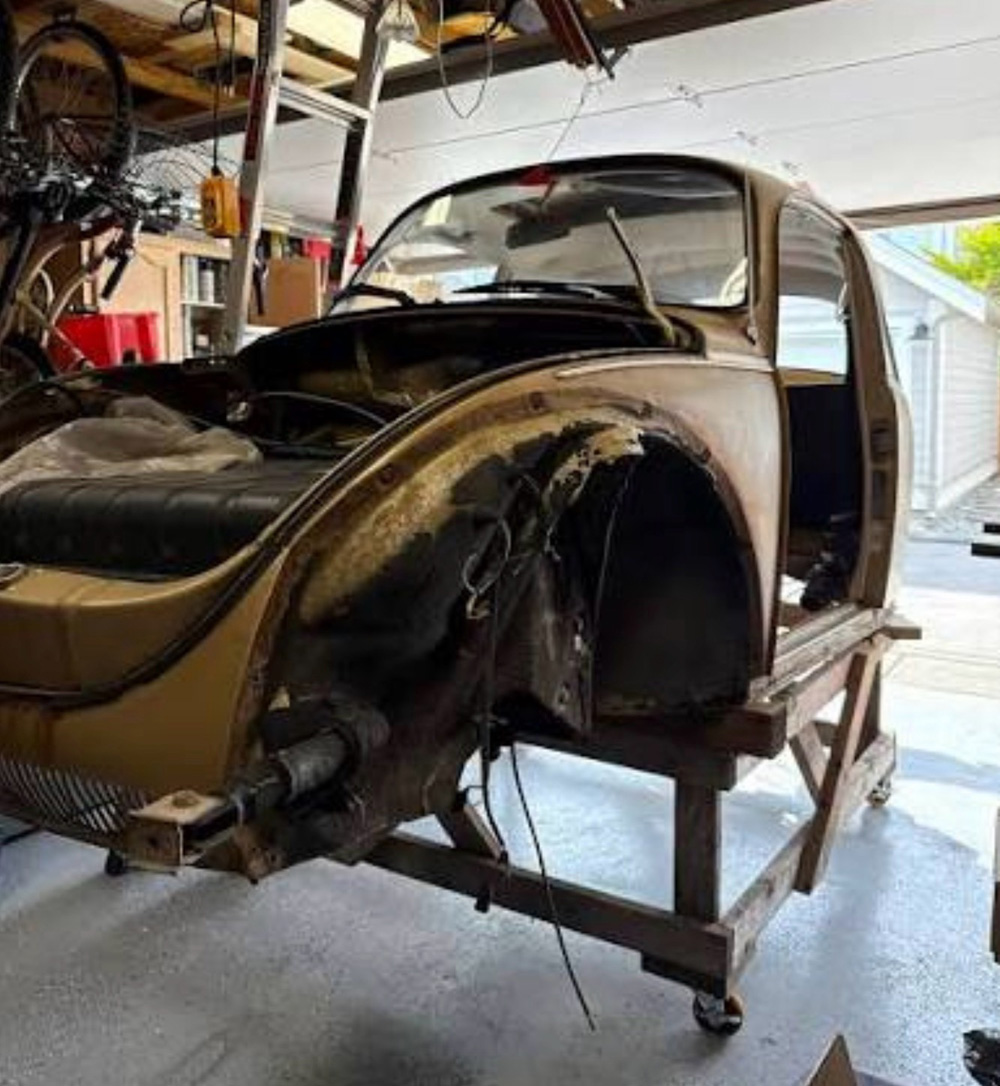
Check for Rust - The Super Beetle's Greatest Enemy: Rust is the
number-one concern when buying any Vintage Volkswagen, and the Super Beetle
is no exception. Because these cars are over 40 years old, many have been
exposed to moisture and road salt. Key rust-prone areas include:
- Front strut towers (unique to the Super Beetle's McPherson strut suspension)
- Rust here can be a dealbreaker due to costly repairs.
- Floor pans - Lift the carpet or mats and inspect carefully.
- Heater channels - These structural components run along the sides under
the doors and are expensive to replace.
- Spare tire well and front apron - A common area for water to pool.

Inspect the Front Suspension: Unlike the Standard Beetle's torsion
bar front end, the Super Beetle uses a McPherson strut suspension, which
provides a smoother ride but has its quirks:
- Check for excessive front-end shimmy or vibration-a sign that bushings,
ball joints, tie rods, or the steering box may need replacement.
- Look for uneven tire wear, which could indicate poor alignment or worn
suspension parts.
- Ensure the strut towers tops are solid, not bubbling or cracking from
rust.
Look at the Electrical System: The Super Beetle still used a basic
12-volt system, but decades of "creative" owner wiring can create
problems:
- Check that all lights, indicators, wipers, and gauges work.
- Inspect the fuse box for corrosion or messy wiring splices.

Examine the Engine and Transmission: Super Beetles came with the
air-cooled flat-four engine, typically 1600cc in later models. While relatively
easy to work on, you'll still want to assess the following:
- Oil leaks - Some seepage is normal, but excessive dripping means future
repairs.
- Compression test - This will reveal the overall health of the engine.
- Transmission - Test both upshifts and downshifts; a worn gearbox can be
expensive to replace.

Interior Condition: Original interiors add value, but even worn
seats or sagging headliners can be replaced:
- Check seat frames for rust and damage.
- Inspect the dash - cracks are common on later models. 1973 and up dashboards
are harder to find than a Unicorn.
- Make sure heater controls and vents operate (the heating system uses engine
heat, so blocked heater channels mean no warmth).

Check the Paperwork:
- Ensure the VIN on the chassis matches the title.
- Look for a history of regular maintenance.
- Imported Beetles should have proper documentation and safety compliance.
Test Drive It: Nothing beats firsthand experience:
- Listen for knocks, rattles, or grinding noises.
- Feel for wandering steering at highway speeds.
- Test braking - Super Beetles from 1971-79 used drum brakes all around,
while some European models had front disc brakes.

Final Thoughts: A well-maintained Volkswagen Super Beetle can be
a joy to own-easy to work on, endlessly customizable, and packed with personality.
However, buying the wrong one can turn into a costly restoration project.
The best advice is to always take the Super Beetle you're thinking of purchasing
to a garage that specializes in Vintage VW's to have it properly inspected
for defects. By focusing on structural integrity, mechanical health, and
authenticity, you'll be well on your way to finding a Super Beetle that's
ready for many more miles of smiles. Click
here to download a printable "Super Beetle Buying" Checklist
Shining Legends: Detailing Your Super Beetle
Owning a vintage Volkswagen Super Beetle is like holding a piece of automotive
history in your garage. With its unique curved (or flat) windshield, redesigned
suspension, and slightly longer front end, the Super Beetle stands out from
the standard Beetle - and deserves to be treated with extra care. Detailing
your Super Beetle regularly not only keeps it looking its best, but also helps
prevent long-term wear and rust on those classic curves. Here's a complete
guide to washing and detailing your Super Beetle, from your first rinse to
the final wax.

Pick the Right Place and Time: Always detail your Super Beetle in a
shaded area to avoid water spots. Early morning or late afternoon is ideal.
Avoid detailing on windy days - airborne dust can scratch your paint.
Rinse First and Inspect: Rinse your Super Beetle gently from top to
bottom. The bulbous hood and curved windshield are magnets for bugs and dust.
Take note of areas that collect grime: around the curved windshield seals,
inside the front trunk (especially along the lip), and behind the rear engine
cover where oil mist may build up.

Use the Two-Bucket Method: To protect your paint from swirls, use:
One bucket with car wash soap and water and one rinse bucket with clean water.
Use a Microfiber mitt or soft sponge with the soapy water and rinse it often
in the clean water to dislodge any grit. Wash from the roof down, working
in straight lines. Don't forget the front air vents under the windshield and
the deeper trunk gutters - they're Super Beetle-specific spots that trap dirt.
Use automotive soap - never dish detergent, which dries out rubber and can
damage vintage finishes. Use a separate Microfiber mitt or soft sponge for
cleaning the wheels - never use this mitt or sponge on the paint of your Super
Beetle as the grit or brake dust could do some damage. Rinse with from top
to bottom with a garden hose when you finish washing.
Detail the Nooks and Trim: The Super Beetle has lots of chrome, trim,
and signature body lines: Chrome bumpers and trim: Use a nonabrasive chrome
polish with a Microfiber towel. Window and windshield rubber: These are often
dry or original - clean gently with a soft brush and protect with a rubber
conditioner. Curved front hood and emblem: Use a soft detail brush to get
into tight areas.

Dry Gently and Completely: Use a clean Microfiber drying towel or chamois.
Pat dry rather than dragging the towel. A small blower or compressed air works
wonders for drying around the headlights, chrome trim, and the rear vents
near the engine lid.
Clay Bar for Smooth Paint: Older Super Beetles can collect a surprising
amount of embedded debris in the paint. If it feels rough after washing, use
a clay bar and lubricant. This removes contaminants and prepares the surface
for polishing or waxing.

Polish (If Needed): Single-stage paint (common on classic VWs) may
show signs of oxidation. Use a light polish and a dual-action polisher or
foam applicator. Always work in small sections, and don't polish over decals,
badges, or pinstripes without masking them off.
Wax or Seal for Protection: Protect your shine with carnauba wax for
a rich, warm glow - or use a synthetic sealant for longer-lasting protection.
Apply in thin coats, one section at a time and buff off with a clean Microfiber
towel.

Clean the Wheels and Tires: Many Super Beetles came with classic slotted
wheels or aftermarket upgrades. Clean them with a safe, non-acidic wheel cleaner.
Scrub the tires with a stiff brush and finish with a satin or matte tire dressing
for a period-correct look.
Freshen Up the Interior: The Super Beetle's curved dashboard and larger
trunk often mean more room for dust and debris. Vacuum the floor pans, under
the rear seat (check for moisture while you're there), and around the front
trunk. Use: Vinyl cleaner and protectant for vinyl seats, vinyl headliners,
dashboards, and door panels. Glass cleaner with paper towels for windows (inside
and out). Upholstery cleaner can be used for carpets and cloth headliners.

Engine Bay Touch-Up (Optional): While the Super Beetle shares the rear-mounted,
air-cooled engine with its siblings, you can make it shine too: Wipe down
tins and fans with degreaser. Use metal polish for valve covers and generator
pulleys. Avoid spraying directly with water - use damp cloths for control.
Conclusion: Detail It, Drive It, Love It: The Super Beetle isn't just
a car - it's a conversation starter, a memory maker, and a part of VW's quirky,
lovable legacy. With regular washing and detailing, you can keep it looking
showroom fresh (or just delightfully vintage) for years to come.
Beyond the Bug: Unveiling the 1973 Oettinger VW Beetle
When one thinks of a Volkswagen Beetle, images of a charming, compact, and
often unassuming vehicle typically come to mind. But for a select few, especially
in the early 1970s, the Beetle was a canvas for radical transformation. While
Oettinger is renowned for extracting immense power from VW's air-cooled engines,
they also ventured into extreme aesthetic modifications, and the "extra-wide"
1973 Oettinger VW Super Beetle stands as a stunning testament to this audacious
vision.

Unlike the subtle performance enhancements that often characterized Oettinger's
work, this Super Beetle was a bold, in-your-face statement. While factory-sanctioned
wide body Beetles were not a production line item, Oettinger, as a premier
tuning house, would undertake bespoke projects for clients seeking to push
the boundaries of Beetle design and performance. These were not mere fender
flares; we're talking about comprehensive, custom-fabricated bodywork that
dramatically altered the Beetle's iconic proportions. One of the most famous
examples, often displayed at the Volkswagen Museum in Wolfsburg, is a 1973
Beetle 1303 that is reputedly the widest VW Käfer ever built in Europe.

This particular monster stretches to an astounding 2.2 meters (over 7 feet
2 inches) in breadth. Such a dramatic increase in width wasn't just for show;
it was necessary to accommodate truly massive tires, with some reports indicating
345/35 section tires at the rear and 225s up front. Beneath the exaggerated,
sculpted bodywork, these wide-bodied Beetles were anything but standard. The
widened fenders and integrated running boards were meticulously crafted by
Oettinger's skilled artisans. To justify the imposing stance, these Beetles
were often equipped with equally extreme engine upgrades.

The aforementioned museum piece, for example, is said to house a 2.2-liter
Porsche 911 engine, delivering a formidable 255 horsepower a staggering
figure for a Beetle of that era. This required significant reinforcement of
the Beetle's 1303 chassis to handle the immense power and the stresses of
the wider track. Porsche brakes were typically fitted all around to bring
this widened beast to a halt. The Oettinger Beetle represents a fascinating
intersection of audacious design and serious performance engineering. It challenged
the very notion of what a Beetle could be, transforming it from a cheerful
economy car into a visually aggressive, high-performance machine capable of
startling acceleration and grip.

Today, these wide-bodied Oettinger Beetles are extraordinarily rare. Their
bespoke nature meant only a handful were ever created, and their demanding
specifications meant they were often driven hard. When one does surface, it
is a significant find for collectors and enthusiasts, offering a glimpse into
a unique chapter of Volkswagen and Oettinger history. They are not just rare
cars; they are rolling sculptures of ambition, a testament to the fact that
even the most iconic and humble of vehicles could be reimagined as a true
autobahn dominator.
BRM Wheels and the Super Beetle: A Blend of Style and Performance
While BRM wheels are often associated with classic Cal-look Beetles and early
air-cooled VWs, they've also found a passionate following among Volkswagen
Super Beetle enthusiasts. Introduced in 1971, the Super Beetle featured numerous
improvements over the standard Beetle, including a redesigned front suspension,
better handling, and increased trunk space. These upgrades made the Super
Beetle a popular platform for customization - especially among those looking
to blend vintage style with improved drivability. BRM wheels, with their lightweight
construction and distinctive five-spoke design, became a natural fit for builders
wanting to give their Super Beetle a period-correct performance edge.

Originally manufactured by British Racing Motors for motorsport applications,
BRM wheels were made of lightweight magnesium and intended for high-performance
vehicles. Though not specifically designed for Volkswagens, the wheels caught
the attention of European and American VW customizers during the 1960s and
'70s. Their striking simplicity and racing pedigree made them a perfect visual
and functional upgrade for the VW community. On the Super Beetle, BRM wheels
add an aggressive, clean look that enhances the cars wider stance and
more modernized lines compared to earlier Beetles.

As the Super Beetle developed its own identity within the air-cooled VW world,
many owners looked for ways to set their cars apart. BRM wheels became an
effective solution - not only did they recall the motorsport heritage and
custom culture of early VW tuning, but they also improved handling thanks
to their reduced weight compared to stock steel wheels. Paired with lowered
suspension and performance tires, BRMs help the Super Beetle realize its potential
as a more refined, sportier version of the classic Beetle, without sacrificing
vintage charm.

Though original BRM magnesium wheels are now rare and highly collectible,
several companies have produced high-quality aluminum reproductions that fit
both standard and Super Beetle bolt patterns. These reproductions maintain
the classic look while offering modern durability and compatibility. For Super
Beetle owners, this opens the door to creating a custom build that nods to
VWs rich tuning history while embracing the cars unique features.
Whether painted in traditional black with polished spokes or finished in custom
colors, BRMs give the Super Beetle a distinctive presence on the street or
at a show.

In the world of air-cooled Volkswagen customization, BRM wheels continue
to stand as a symbol of style, heritage, and performance. Their adoption by
the Super Beetle community reflects a broader trend of blending old-school
aesthetics with modern enhancements. For those who want a Super Beetle that
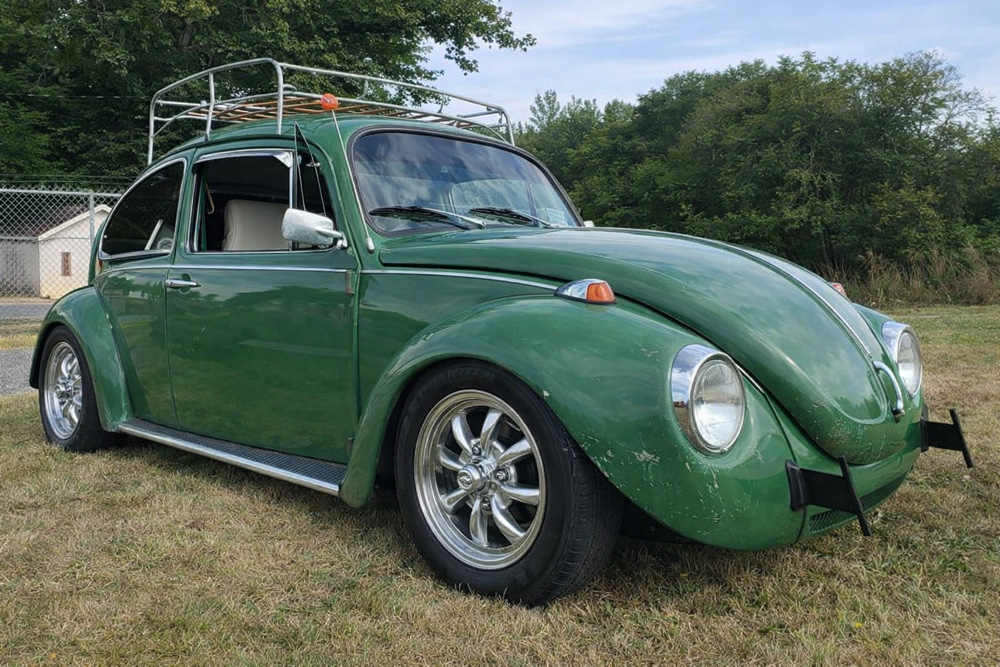
looks fast, handles better, and pays tribute to VWs golden era of tuning,
BRM wheels remain one of the most iconic and impactful upgrades available.
Dropping Low: Exploring Ways to Lower Your Super Beetle
The Volkswagen Super Beetle, with its iconic rounded shape and rear-engine
charm, has long been a favorite for customization. One of the most common
modifications is lowering the ride height, not only for aesthetic appeal
but also for improved handling and a more aggressive stance. However, unlike
its torsion-beam equipped Standard Beetle sibling, the Super Beetle's MacPherson
strut front suspension presents a different set of challenges and solutions
for achieving that coveted lowrider look. If you're itching to bring your
Super Beetle closer to the asphalt, here's a breakdown of the different
methods available.

Lowering Springs: Aftermarket lowering springs are designed to replace
the stock front coil springs in the MacPherson struts. These springs have
a shorter length and often a higher spring rate, reducing ride height while
maintaining suspension functionality.
Pros: Relatively straightforward installation for those with mechanical
experience. Maintains the stock strut assembly, preserving a factory-like
ride quality. Available in various drop heights (typically 1-2.5 inches)
to suit different preferences. Affordable, with kits starting around $100-$200.
Cons: Limited drop compared to other methods; not ideal for extreme
stances. May require new shocks to match the lowered height and prevent
premature wear. Improperly matched springs can lead to a harsh ride or bottoming
out.

Adjustable Coilover Kits: Coilover kits replace the entire front
strut assembly with adjustable units that allow you to fine-tune ride height
by threading the spring perch up or down. Rear lowering often involves shorter
shocks or adjustable spring plates.
Pros:Highly customizable, allowing precise height adjustments (1-4
inches or more). Improves handling with stiffer springs and matched shocks.
Ideal for achieving a slammed look or track-ready setup. Kits from brands
like Top Line
Parts or CIP1
are designed specifically for Super Beetles.
Cons: More expensive, with quality kits costing $500-$1,200. Installation
is complex and may require professional help. Lower settings can compromise
ride quality and ground clearance. May require additional modifications
or camber adjustments.

Air Suspension: Air suspension replaces the stock front struts and
rear torsion bars with air bags or adjustable air shocks. Ride height is
controlled via an onboard compressor and controller, allowing instant adjustments
from stock height to fully slammed.
Pros: Ultimate flexibility, with adjustable height from 0-5 inches
or more. Perfect for show cars, allowing a slammed look when parked and
drivable height on the road. Modern kits offer plug-and-play installation
for Super Beetles. Enhances visual appeal at car shows.
Cons: Expensive, with complete kits costing $2,000-$4,000. Complex
installation requiring fabrication and wiring expertise. Air bags can leak
or fail, requiring maintenance. May compromise handling compared to coilovers
for performance driving.

Choosing the Right Method: Lowering a Volkswagen Super Beetle is
a rewarding modification that enhances its classic style and handling, but
it requires careful planning to avoid compromising safety or comfort. For
a subtle drop, lowering springs offer affordability and ease. For a customizable
or show-ready stance, coilovers or air suspension provide unmatched versatility,
while rear torsion bar adjustments can complement front mods on a budget.
Always prioritize quality components, proper installation, and post-lowering
alignment to ensure a safe and enjoyable driving experience. Before starting,
research Super Beetle-specific parts from reputable suppliers like Top
Line Parts, Mid
America Motorworks, JBugs
or CIP1,
and consult with a professional mechanic if youre unsure about the
process. With the right approach, your lowered Super Beetle will turn heads
and handle curves with confidence, keeping the spirit of the Peoples
Car alive and well.
Your Funfest for Air Cooled VW 2025 Invitation
Get ready to rev your engines and join the ultimate celebration of Volkswagen
culture at the Volkswagen Funfest at Mid America Motorworks, June 19-21, 2025.
Whether you're a longtime VW enthusiast or a newcomer, this is the event that
you won't want to miss... and it's all free!

June
19, Thursday - Camping Begins: The fun starts early on Thursday as campers begin
to roll in and set up for a weekend full of adventure. Set up your campsite,
meet fellow Volkswagen lovers, and soak in the relaxed atmosphere as we kick
off this epic event. Whether you're camping under the stars or just getting
ready for the weekend, it's the perfect way to get in the VW spirit.

June 20, Friday - Fun Run to Pinky's: On Friday afternoon, join us for the Fun
Run to Pinky's, a must-do road rally that sets the tone for the weekend. We'll
be departing at 4:30 pm for a scenic cruise with fellow VW enthusiasts, winding
our way to one of the area's most iconic destinations. It's all about the thrill
of the drive and the camaraderie that makes the Volkswagen community so special.
Get ready to enjoy the ride, the views, and the chance to make lasting memories
with new friends.

June
21, Saturday - Volkswagen Funfest & All Cars Swapfest: Saturday is the big
day, and we're turning up the fun! Volkswagen Funfest is the main event, a full
day packed with activities for all ages. Explore a variety of expert panels,
catch up on the latest VW trends, and hear from industry leaders. Celebrate
with friends as we hand out awards and enjoy live entertainment, good food,
and ice-cold drinks. In addition to all the VW-specific activities, we're thrilled
to bring you the All Cars Swapfest, running simultaneously with the Funfest.
This is your chance to score rare VW parts, vintage memorabilia, and more-whether
you're looking for something to complete your project or just want to admire
some amazing finds.

A
Special 20th Anniversary Celebration of Herbie: Fully Loaded: In honor of the
20th anniversary of the beloved Disney movie, Herbie: Fully Loaded, we're throwing
an unforgettable celebration for everyone's favorite racing Beetle! Join us
as we cruise into Downtown Effingham for a special movie screening under the
stars. Explore local attractions, discover amazing restaurants, and enjoy an
unforgettable outdoor movie night with the community, starting at 8:30pm. Registration
is Now Open! Don't miss your chance to be a part of this epic FREE event.
Register today and get ready for a weekend of unforgettable memories. Head over
to funfestacvw.com and
secure your spot now! We can't wait to see you there for an unforgettable celebration
of all things VW!
The Volkswagen Sun Bug: A Golden Piece of Automotive History
The Volkswagen Beetle, affectionately known as the Bug, has etched an indelible
mark in automotive history for its charm, longevity, and cultural significance.
Among the numerous special editions of the Beetle, the Volkswagen Sun Bug stands
out as a rare gem, designed to catch the eye and capture the spirit of the early
1970s. This article delves into the history, features, and legacy of the 1974
Volkswagen Sun Bug, an edition that brought a touch of sunshine to the iconic
Beetle lineup.

The
Sun Bug was not just another Beetle; it was a special edition meant to stand
out. Here's what made it unique: The Sun Bug was predominantly finished in Harvest
Gold Metallic (L99B), a shade that mimicked the warmth and allure of the sun
itself. This color was exclusive to this model, making it instantly recognizable.
Available as both Super Beetle and Standard Beetles and in sedan and convertible
versions, the Sun Bug could be equipped with a manually operated metal sunroof
on the sedan, enhancing the theme of bringing sunlight into your drive.

The interior was adorned with dark brown leatherette upholstery, which contrasted
beautifully with the golden exterior. Special features included woodgrain dashboard
trims, a padded four-spoke steering wheel, and sport seats, elevating the standard
Beetle's interior to a new level of comfort and style. Sun Bugs came with additional
amenities like a rear window defroster, locking glove box, and an exclusive
shift knob featuring the Sun Bug logo. Convertible models and Super Beetles
had rosewood trim and leatherette seat inserts, further distinguishing them
from standard models.

The
Sun Bug's production numbers are somewhat shrouded in mystery, with estimates
suggesting between 300 to 600 units for the U.S. market. This scarcity has made
surviving examples highly sought after by collectors. Today, a well-preserved
Sun Bug can command impressive prices at auctions, with enthusiasts valuing
the car for its historical significance and unique aesthetics. The challenge
with Sun Bugs, like many classic cars, lies in restoration. Original parts,
especially the specific color match for the Harvest Gold paint, are hard to
come by, adding to the car's mystique and value when found in original condition.
Sun Bug owners often gather at Volkswagen enthusiast events, where these cars
are celebrated. The community shares knowledge on restoration, parts sourcing,
and the cultural impact of these special editions.

The
1974 Volkswagen Sun Bug may not have altered the automotive landscape or Beetle
sales significantly back in its day, but it has left a lasting legacy among
car aficionados. Its rarity, combined with its distinctive look and feel, ensures
that the Sun Bug continues to shine brightly in the annals of automotive history.
For collectors and fans, owning a Sun Bug is akin to possessing a piece of Volkswagen's
creative zenith, a golden reminder of the Beetle's enduring charm. Visit
the Ads and Literature section to see the original Sun Bug sales brochure.
Disc or Drum Brakes? - That is the Question
The Volkswagen Super Beetle is a beloved classic, admired for its iconic design
and simple engineering. However, its original drum brake system, while sufficient
for mid-20th-century traffic, can feel inadequate on modern roads. Upgrading
to disc brakes is a popular modification that significantly enhances the safety
and performance of the Super Beetle. This article explains why disc brakes are
the smart choice for today's driving.

Drum brakes were the standard braking technology in the early and mid-20th century.
They consist of a drum attached to the wheel and brake shoes inside the drum.
When the brakes are applied, the shoes press outward against the drum, creating
friction to slow the vehicle. While effective, drum brakes have several inherent
drawbacks. Drum brakes trap heat, which can cause brake fade during repeated
use. Less Consistent Performance in wet or muddy conditions. Drum brakes may
lose effectiveness due to their enclosed design. Drum brakes are more complex
and harder to service than disc brakes.

Disc brakes provide greater stopping force compared to drum brakes. The open
design of the disc brake system allows for even and consistent application of
friction, enabling the Super Beetle to stop more quickly and reliably, especially
in emergencies. With their exposed rotors, dissipate heat more effectively.
This reduces the risk of brake fade, ensuring reliable performance even during
prolonged or heavy braking, such as descending steep hills. Disc brakes are
self-cleaning, with their open design allowing water and debris to be shed easily.
This ensures consistent performance regardless of weather conditions. Servicing
disc brakes is simpler than working on drum brakes. Replacing brake pads is
a straightforward process, while drum brake systems require disassembly and
careful adjustment of springs and shoes. For a classic Super Beetle, this ease
of maintenance can save both time and money.

Upgrading a Volkswagen Super Beetle from drum to disc brakes typically involves
replacing the front brakes, as these handle the majority of braking force. Rear
drum brakes can often be left in place, though some enthusiasts choose to upgrade
all four wheels for maximum performance. A typical disc brake conversion kit
includes, Discs or Rotors, Calipers, Brake pads, Mounting brackets, Hoses and
hardware. Bolt-on kits are widely available and designed specifically for the
Super Beetle, making the installation process straightforward for experienced
DIY mechanics or professional.

Disc brakes offer a substantial improvement over drum brakes for the Super Beetle,
enhancing safety, reliability, and ease of maintenance. For classic car enthusiasts
who want to enjoy their Beetle on modern roads without compromising safety,
upgrading to disc brakes is a highly recommended modification. This simple change
not only makes driving more enjoyable but also preserves the timeless charm
of the Super Beetle while bringing its braking system into the modern era.
GSR - The Unicorn of Special Edition Super Beetles
The GSR nameplate made its debut in late 1972 as a limited-edition 1973 version
of the 1303S, created in response to the demands of speed enthusiasts. The
acronym GSR represents Gleb Schwarzer Renner, translating to Yellow Black
Racer in German. Despite its name, the modifications were primarily aesthetic.
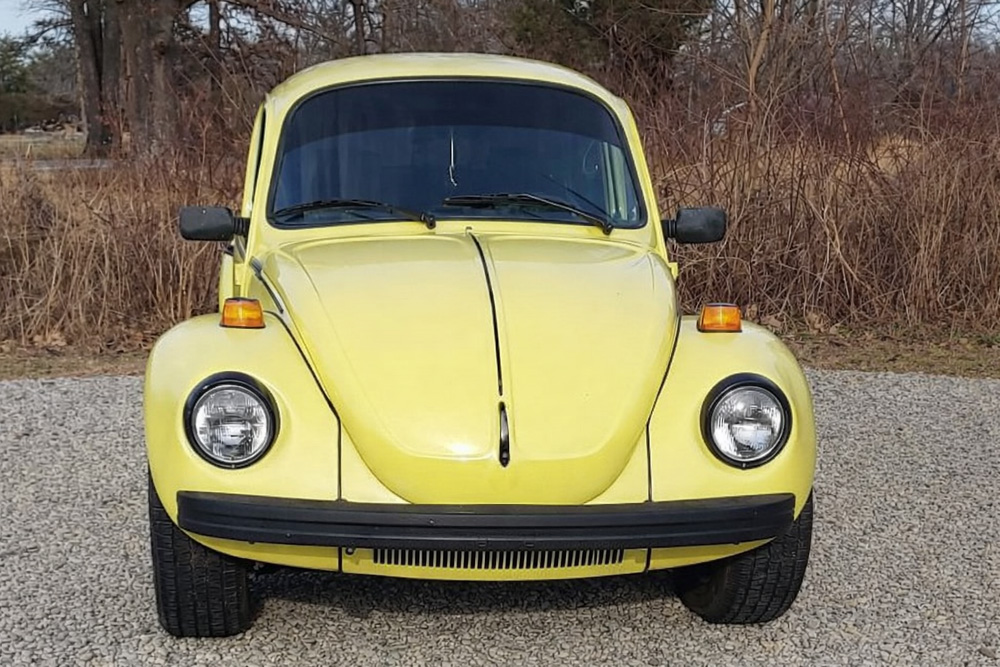
The GSR distinguished itself from the regular 1303S with its vibrant yellow
exterior, which featured flat black accents on the hood, deck lid, bumpers,
and nearly all exterior trim.

Volkswagen produced a limited run of just 3,500 units of the GSR model. Each
vehicle was priced at 7,650 Deutsche Mark (approximately $4,100 USD today),
which was around 800 Deutsche Mark more than the standard 1303S model. The
entire production run sold out rapidly, as many enthusiasts had long anticipated
a factory-built racing version of the Beetle.

The
track-inspired design continues inside with sport seats for the front occupants
and a leather three-spoke racing style steering wheel. However, this focus
did not carry over to the engine compartment, as the GSR was equipped with
the standard 1.6-liter air-cooled flat-four engine, producing 50 horsepower
and 80 pound-feet of torque. An oil cooler was added, necessitating the use
of a slotted front apron identical to that of the Super Beetle sold in the
USA and Canada. Designed with rally enthusiasts in mind, the GSR came with
a list of Volkswagen-approved tuners to help maximize the performance of the
flat-four engine.

The GSR is an uncomplicated machine featuring four pistons, eight valves,
and a carburetor. With a swift turn of the key, the flat-four engine roars
to life, quickly transitioning to a steady, low idle. The choke operates automatically,
eliminating the need for manual adjustments. Engage the long gear shift lever
into first gear, release the clutch, and youre on your way. Initial
observations are that the GSR produces a louder sound compared to other Beetles
from its time, with the flat-four's engine noise being notably more prominent.

The GSR marks Volkswagen's initial effort to evolve an economy vehicle into
a street-legal version that boasts enhanced speed, improved driving dynamics,
and a robust aesthetic. A significant number of GSRs were either modified
for racing purposes, heavily used, or both. According to estimates from Volkswagen's
archives department, approximately only 100 units remain today, rendering
it one of the rarest VWs available and one of the most sought-after Super
Beetles ever manufactured.